
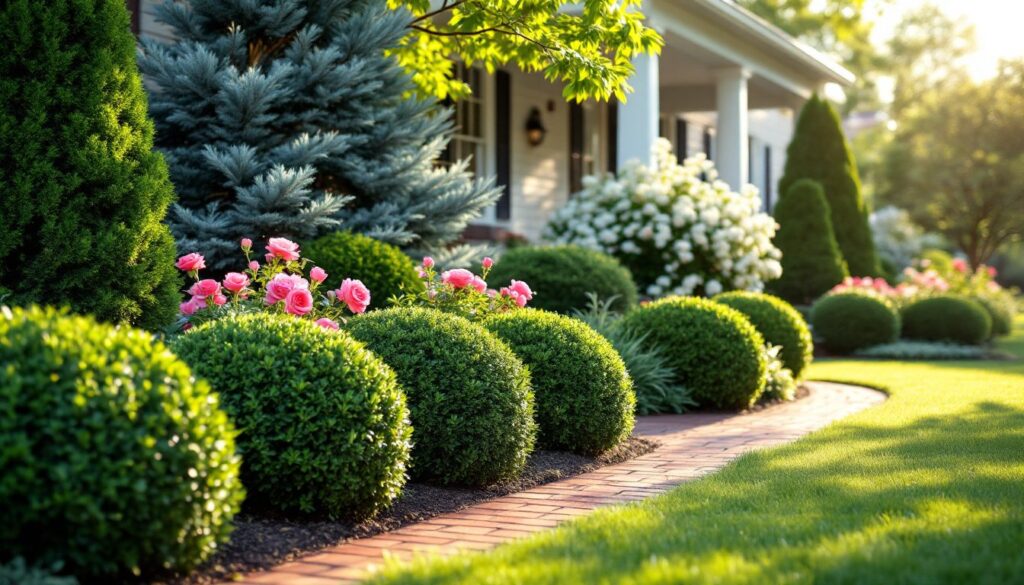
Landscaping the front of a house shouldn’t feel like a second job. For homeowners who want curb appeal without dedicating every weekend to pruning, watering, and fertilizing, choosing the right shrubs makes all the difference. Low maintenance bushes deliver year-round structure and beauty while tolerating neglect far better than high-demand ornamentals. They reduce water bills, survive drought, resist common pests, and rarely need more than an annual trim. Whether the goal is evergreen screening, seasonal blooms, or foundation plantings that anchor the home’s facade, selecting proven performers saves time and frustration.
Table of Contents
ToggleKey Takeaways
- Low maintenance bushes for the front of your house reduce watering, pruning, and fertilizing demands while delivering year-round curb appeal and structural value.
- Evergreen varieties like boxwood and juniper provide continuous visual interest without winter dormancy, with boxwood excelling in formal settings and juniper offering exceptional drought tolerance.
- Flowering shrubs such as spirea and Knockout Roses add seasonal color without deadheading requirements, making them ideal for busy homeowners seeking beauty with minimal upkeep.
- Most low maintenance bushes tolerate poor soil conditions, inconsistent watering, and environmental stress like roadside salt and heat reflection once established.
- Strategic shrub placement improves curb appeal and perceived home value by framing entryways and softening architectural lines with far less labor than traditional ornamentals.
Why Choose Low Maintenance Bushes for Your Front Yard
Low maintenance shrubs offer practical advantages that extend beyond aesthetics. They thrive in a range of soil conditions, from clay to sandy loam, and tolerate inconsistent watering once established. Most require one or two pruning sessions per year, often just a single late-winter shaping, compared to the weekly deadheading or disease management demanded by fussier plants.
From a cost perspective, these bushes reduce long-term expenses. They need less supplemental irrigation, fewer chemical treatments, and minimal fertilizer. Homeowners in regions with water restrictions or variable rainfall particularly benefit from drought-tolerant varieties that maintain their appearance through dry spells.
These plants also handle environmental stress better. Roadside salt spray, reflected heat from driveways and foundations, and partial shade under eaves rarely faze established low-maintenance species. That resilience matters in front-yard plantings, which face harsher conditions than sheltered backyard beds.
Finally, they hold value over time. A well-placed evergreen foundation planting or a row of flowering shrubs improves curb appeal for potential buyers. According to professional garden design principles, strategic shrub placement can increase perceived home value by framing entryways and softening hard architectural lines without ongoing labor.
Best Evergreen Bushes That Require Minimal Care
Evergreens provide year-round structure and color, serving as the backbone of front-yard landscaping. Unlike deciduous shrubs that drop leaves and go dormant, evergreens hold their foliage through winter, maintaining curb appeal when perennials fade. The following varieties combine durability with minimal upkeep.
Boxwood: The Classic Foundation Plant
Boxwood (Buxus species) remains the gold standard for formal foundation plantings and low hedges. Its dense, fine-textured foliage tolerates heavy shearing, making it ideal for homeowners who want clean geometric shapes or rounded mounds flanking an entry.
Most cultivars grow 3 to 5 feet tall and wide at maturity, though dwarf varieties like ‘Green Gem’ stay compact at 2 feet. Boxwood adapts to full sun or partial shade and thrives in well-drained soil with a neutral to slightly alkaline pH. Once established, it tolerates moderate drought but performs best with occasional deep watering during extended dry periods.
Pruning requirements are minimal. A single annual trim in late spring after new growth hardens maintains shape. Skip the electric hedge trimmer for a more natural look and use hand pruners to selectively thin interior branches, improving airflow and reducing fungal issues like boxwood blight.
Boxwood blight has become a concern in humid regions. Choose resistant cultivars such as ‘Green Beauty’ or ‘Elegantissima,’ and avoid overhead irrigation to keep foliage dry. Space plants to allow air circulation, crowding invites disease.
One caution: boxwood roots grow shallow, so avoid planting near driveways or sidewalks where de-icing salt runoff accumulates. Salt damage causes bronzing foliage and dieback.
Juniper: Drought-Tolerant and Hardy
Juniper (Juniperus species) offers unmatched drought tolerance and cold hardiness, thriving in USDA zones 3 through 9 depending on the variety. Its needle-like or scale-like foliage ranges from blue-green to silvery, providing textural contrast against broad-leaved shrubs.
Growth habits vary widely. Creeping junipers like ‘Blue Rug’ spread horizontally, reaching only 6 to 12 inches tall but covering several feet of ground, useful for slopes or areas where low-profile plantings prevent blocking windows. Upright forms like ‘Skyrocket’ grow narrow and columnar, reaching 15 to 20 feet tall with a 2-foot spread, ideal for framing doorways without overwhelming small facades.
Junipers demand excellent drainage. They rot in heavy clay or waterlogged soil, so amend planting holes with coarse sand or gravel if drainage is questionable. Once established, they require zero supplemental watering in most climates and tolerate poor, rocky soil.
Pruning is straightforward: remove dead interior branches annually to maintain airflow, but avoid shearing. Junipers don’t regenerate from old wood, so cutting back to bare stems results in permanent bare spots. Instead, use hand pruners to selectively shorten wayward branches.
One downside: junipers attract bagworms in some regions. Inspect plants in late spring and handpick any silk bags before larvae mature. Bagworm infestations can defoliate a shrub quickly if left unchecked.
Flowering Bushes That Thrive With Little Attention
Flowering shrubs add seasonal color and soften the evergreen framework. The varieties below bloom reliably without deadheading, fertilizing, or spraying, making them practical choices for busy homeowners.
Spirea: Colorful Blooms Without the Fuss
Spirea (Spiraea species) delivers masses of spring or summer flowers on a tough, adaptable shrub. Varieties like ‘Goldflame’ and ‘Magic Carpet’ offer bonus foliage interest, with new growth emerging in shades of red, orange, or chartreuse.
Most spireas grow 2 to 4 feet tall and wide, forming rounded mounds that work well in mass plantings or mixed borders. They tolerate full sun to light shade and adapt to a wide range of soil types, though they prefer consistent moisture during establishment.
Spring-blooming types like Bridal Wreath spirea produce cascades of white flowers along arching branches. Summer bloomers like ‘Anthony Waterer’ bear flat-topped pink flower clusters from June through August. Neither requires deadheading, spent blooms drop cleanly.
Pruning depends on bloom time. Spring bloomers flower on old wood, so prune immediately after blooming to avoid cutting off next year’s buds. Summer bloomers flower on new growth, so prune in late winter or early spring before growth begins. For both types, remove one-third of the oldest canes at ground level every few years to rejuvenate the plant.
Spirea rarely suffers from pest or disease problems. Aphids occasionally cluster on new growth but rarely cause lasting damage. A strong spray from a garden hose dislodges them without chemicals. Many homeowners appreciate this resilience highlighted in regional gardening resources for busy families.
Knockout Roses: Easy-Care Beauty
Knockout Roses (Rosa ‘Radrazz’ and related cultivars) revolutionized rose growing by eliminating the finicky maintenance traditional hybrid teas demand. These shrub roses bloom continuously from spring until frost without deadheading, resist black spot and powdery mildew, and tolerate heat and humidity.
Knockout Roses grow 3 to 4 feet tall and wide in a rounded form. They’re available in red, pink, yellow, and white, plus double-flowered cultivars with fuller blooms. Plant them in full sun, at least six hours daily, for best flowering. They tolerate partial shade but produce fewer blooms.
Soil requirements are forgiving. Knockouts thrive in average, well-drained soil and don’t demand the rich, amended beds traditional roses prefer. Water deeply once a week during dry spells, but established plants tolerate short droughts.
Pruning is optional but improves plant shape. In late winter, cut the entire shrub back to 12 to 18 inches tall using bypass pruners or loppers. This hard pruning encourages vigorous new growth and abundant flowering. Skip the fussy angled cuts and precise bud-eye placement, Knockouts respond to rough pruning just fine.
Fertilizing is optional. A single spring application of a balanced, slow-release granular fertilizer like 10-10-10 applied at the rate listed on the package boosts growth, but Knockouts bloom respectably without feeding.
One consideration: Japanese beetles find Knockout Roses irresistible in some regions. Handpick beetles in early morning when they’re sluggish, or use a beetle trap placed well away from plantings to lure them off the roses. Avoid broad-spectrum insecticides, which kill beneficial pollinators. Practical advice on managing these common challenges is often covered in comprehensive home gardening guides.
Knockout Roses aren’t long-lived compared to some shrubs. Expect 10 to 15 years of strong performance before plants decline and need replacement, a reasonable lifespan for the beauty and low maintenance they provide.