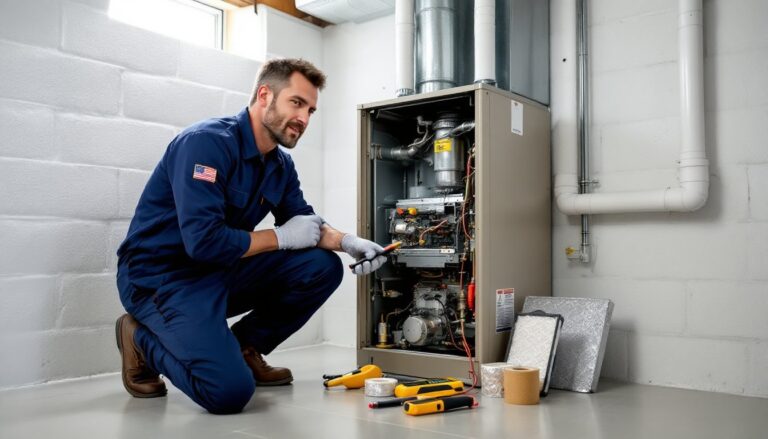
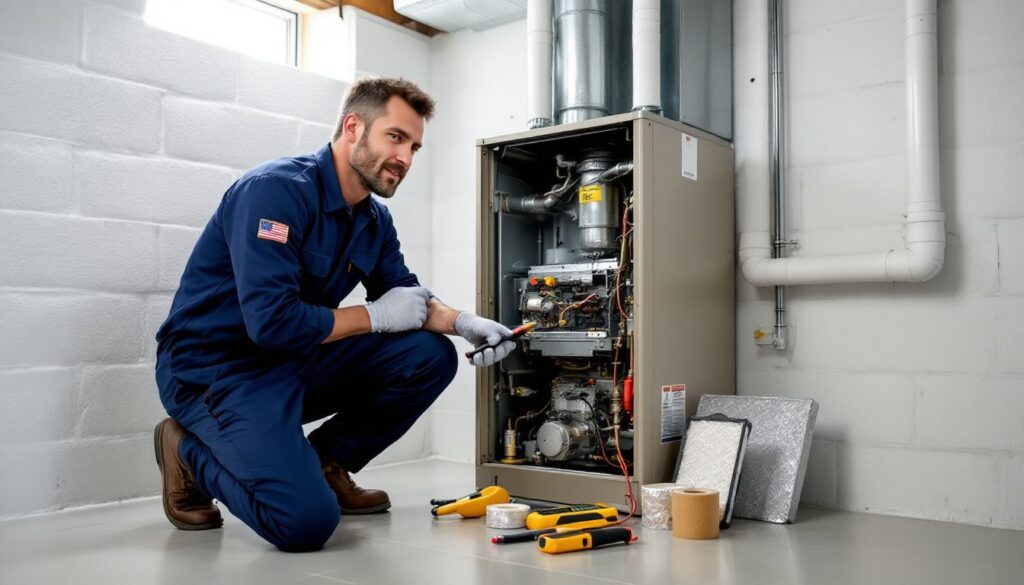
A cold snap in January isn’t the time to discover your furnace has been limping along on a clogged filter and corroded flame sensor. Natural gas furnaces are workhorses, most run 15 to 20 years if maintained properly, but neglect accelerates wear, drives up energy bills, and creates safety risks like carbon monoxide leaks or cracked heat exchangers. Regular maintenance keeps the system efficient, extends its lifespan, and catches small problems before they become expensive failures. Some tasks are straightforward enough for any homeowner: others require a licensed HVAC technician with specialized tools and training.
Table of Contents
ToggleKey Takeaways
- Regular natural gas furnace maintenance improves energy efficiency by 5 to 15 percent and extends the system’s lifespan to 15–20 years when done properly.
- Check and replace your air filter monthly during heating season—clogged filters force the blower motor to work harder and waste energy.
- Professional annual inspections in fall catch critical issues like cracked heat exchangers and dirty flame sensors before they create safety hazards or costly failures.
- Never attempt gas system repairs yourself; gas odors, yellow flames, or furnace ignition failures require immediate professional attention to prevent carbon monoxide poisoning.
- Maintain proper clearance around the furnace, ensure working CO detectors on every level, and keep flammable materials out of the furnace room to prevent fires and safety emergencies.
Why Regular Furnace Maintenance Matters for Your Home
Neglecting a furnace doesn’t just mean cold mornings. It compounds into higher utility bills, shortened equipment life, and genuine safety hazards.
Energy efficiency drops fast when components get dirty or misaligned. A clogged air filter forces the blower motor to work harder, increasing electricity use. Burners coated in soot burn less efficiently, wasting natural gas. The U.S. Department of Energy estimates that routine maintenance can improve furnace efficiency by 5 to 15 percent, which translates to real money over a heating season.
Component longevity depends on how hard the system has to work. When airflow is restricted, the heat exchanger cycles on and off more frequently, creating thermal stress that leads to cracks. A failing blower motor or igniter that’s been struggling for months will give out sooner than one that’s been inspected and cleaned annually.
Safety is non-negotiable with gas appliances. A cracked heat exchanger can leak carbon monoxide into living spaces. Dirty burners produce incomplete combustion, increasing CO risk. Blocked venting causes dangerous backdrafting. According to the CDC, unintentional carbon monoxide poisoning kills more than 400 Americans annually, and faulty heating systems are a leading contributor.
Most manufacturers require annual professional maintenance to keep warranties valid. Skipping service can void coverage on expensive parts like heat exchangers, which can cost $1,000 or more to replace.
Essential Monthly Maintenance Tasks You Can Do Yourself
Homeowners can handle several routine tasks without special tools or training. These small steps prevent the majority of common furnace problems and keep the system running smoothly between professional visits.
Check and Replace Your Air Filter
Air filter replacement is the single most important task a homeowner can perform. Filters trap dust, pet dander, and airborne particles before they reach the blower and heat exchanger. A clogged filter restricts airflow, forcing the system to run longer cycles and stressing the blower motor.
Check the filter monthly during heating season. Hold it up to a light source, if you can’t see light through it, replace it. Standard 1-inch pleated filters should be swapped every 30 to 90 days depending on household conditions. Homes with pets, smokers, or allergy sufferers need more frequent changes. 4-inch media filters or electronic filters last longer but still need regular inspection.
Filters are sized by width, height, and depth (e.g., 16x25x1). The size is printed on the filter frame. Always match the exact dimensions and follow the airflow direction arrow printed on the frame when installing.
Beyond filters, homeowners should inspect vents and registers monthly. Walk through the house and make sure supply registers (where warm air enters rooms) and return vents (where air is pulled back to the furnace) aren’t blocked by furniture, curtains, or closed doors. Blocked returns starve the system of airflow: blocked supplies waste conditioned air and create pressure imbalances.
Listen for unusual noises during operation. Rattling, squealing, or banging sounds indicate loose components, worn belts, or failing motors. Catching these early prevents breakdowns. A healthy furnace runs with a steady hum and the sound of airflow, nothing more.
Seasonal Maintenance Checklist for Fall and Winter
Fall is the time to prepare the furnace for months of heavy use. Performing these tasks before the first cold snap ensures the system is ready when temperatures drop.
Inspect the thermostat. Test the furnace by setting the thermostat 5 degrees above room temperature and confirming the system kicks on within a minute or two. If the thermostat is battery-powered, replace the batteries annually in the fall. Programmable and smart thermostats should be checked for correct time, date, and schedule settings. A misconfigured schedule wastes energy and leaves the home uncomfortable.
Clear the area around the furnace. Building codes and safety standards require at least 30 inches of clearance on all sides of the furnace for combustion air, service access, and fire safety. Remove stored items, cleaning supplies, paint cans, and anything flammable. Check that the furnace room door closes properly and isn’t blocked.
Test the carbon monoxide detector. CO detectors should be installed on every level of the home and within 10 feet of sleeping areas. Press the test button to confirm the alarm sounds. Replace the unit if it’s more than 7 years old or the test fails. Battery-powered models need fresh batteries every six months: hardwired units with battery backup should still have batteries checked.
Inspect visible ductwork. Walk the basement or crawl space with a flashlight and look for disconnected joints, holes, or crushed sections of duct. Seal small gaps with foil-backed duct tape (not cloth duct tape, which degrades). Significant damage or poorly designed duct systems may require professional assessment, as improper airflow reduces efficiency and comfort.
Homeowners should also ensure proper drainage for bi-annual HVAC checkups, which often uncover issues before winter. Many experienced DIYers follow comprehensive seasonal maintenance schedules to stay ahead of problems.
Check the pilot light or igniter. Older furnaces with standing pilot lights should have a steady blue flame. A yellow or flickering flame indicates incomplete combustion, which needs professional attention. Newer furnaces use electronic igniters or hot surface igniters that don’t require checking, but if the furnace won’t start, a failed igniter is a common culprit.
When to Call a Professional HVAC Technician
Some maintenance and repairs are beyond DIY scope and require a licensed HVAC technician. Attempting these without training risks injury, equipment damage, and code violations.
Annual professional inspection should happen every fall, ideally in September or early October before heating demand spikes. Technicians perform tasks homeowners can’t: inspecting the heat exchanger for cracks, testing gas pressure at the valve and manifold, measuring combustion efficiency with a flue gas analyzer, checking the flame sensor and limit switches, lubricating the blower motor if it has oil ports, and inspecting the venting system for blockages or corrosion.
This service typically costs $80 to $150 depending on the region and whether it’s part of a maintenance contract. Many HVAC companies offer annual or bi-annual service plans that include priority scheduling and discounts on repairs.
Call immediately if the furnace won’t start, produces no heat, or cycles on and off repeatedly. These symptoms often indicate a failed igniter, malfunctioning thermostat, tripped limit switch, or gas valve issue. Troubleshooting gas appliances without proper training is dangerous.
Gas odor is an emergency. Natural gas is odorized with mercaptan, which smells like rotten eggs. If you smell gas, leave the home immediately, don’t operate any electrical switches or create sparks, and call the gas utility or fire department from outside. Do not attempt to locate the leak yourself.
Yellow or flickering flames instead of steady blue flames indicate incomplete combustion, which produces carbon monoxide. Shut the furnace off and call a technician.
Cracked heat exchanger is a serious structural failure that allows combustion gases to mix with household air. Symptoms include visible cracks during inspection, persistent CO detector alarms, or soot buildup inside the furnace cabinet. Heat exchanger replacement often costs $1,000 to $2,000, and on older furnaces, it’s usually more cost-effective to replace the entire unit.
Many home improvement resources emphasize that licensed professionals carry liability insurance and understand local codes, which protects homeowners from improper installations or repairs.
Permit requirements vary by jurisdiction, but most municipalities require permits and inspections for furnace replacement, major ductwork modifications, or gas line work. Only licensed contractors can pull these permits. DIY work on gas systems violates most building codes and can void homeowner’s insurance if a fire or explosion.
Safety Precautions Every Homeowner Should Know
Working around a natural gas furnace requires awareness of fire, electrical, and carbon monoxide hazards. Follow these precautions to stay safe.
Shut off power before any maintenance. Locate the service switch on or near the furnace, it looks like a standard light switch, often in a red or gray box. Flip it off before changing filters, inspecting components, or doing any work inside the cabinet. For added safety, switch off the circuit breaker at the main panel.
Never bypass safety controls. Furnaces have multiple limit switches and rollout switches that shut the system down if temperatures exceed safe levels or flames spill out of the combustion chamber. If the furnace won’t run, there’s a reason. Jumping out a safety switch to force operation can cause fires or carbon monoxide leaks.
Wear appropriate PPE. When working in the furnace area, wear safety glasses to protect against dust and debris, especially when changing filters or inspecting ductwork. If the furnace is in a dusty basement or crawl space, a dust mask or N95 respirator prevents inhaling particulates. Work gloves protect hands from sharp metal edges on duct collars and furnace cabinets.
Ventilate properly. Furnaces produce combustion gases that must be vented outdoors through a flue pipe or PVC vent system. Never block, modify, or disconnect venting. High-efficiency furnaces use PVC intake and exhaust pipes that exit through an exterior wall. Check that intake vents aren’t blocked by snow, leaves, or debris, especially after storms.
Maintain working smoke and CO detectors. Install smoke detectors on every level and inside each bedroom. Carbon monoxide detectors should be on every level and near sleeping areas. Test both monthly and replace batteries or units as needed. Interconnected alarms that sound throughout the house provide the best protection.
Keep combustibles away from the furnace. Gasoline, paint, solvents, and other flammable materials should never be stored in the furnace room. The National Fire Protection Association (NFPA) and International Residential Code (IRC) both mandate clearances around fuel-fired appliances to prevent ignition.
Supervise children and pets. Furnace rooms should be off-limits to unsupervised children and pets. Furnace cabinets get hot during operation, and curious hands or paws can get burned or damage components.
Conclusion
Natural gas furnace maintenance is part routine care and part vigilance. Monthly filter changes, seasonal inspections, and awareness of warning signs keep the system running efficiently and safely. Know when to call a professional, gas appliances aren’t the place to learn by trial and error. A well-maintained furnace heats reliably for decades and pays for its upkeep in lower energy bills and avoided emergency repairs.