A house doesn’t maintain itself. Skip the routine checks, and small issues snowball into expensive repairs, leaky gutters rot fascia boards, neglected HVAC filters strain the system, and ignored caulk lets water damage framing. A structured house <a href="https://tailendrestaurant.com/best-maintenance-checklists/”>maintenance schedule isn’t about perfection: it’s about catching problems early when they’re cheap and easy to fix. This guide breaks down what to check monthly, seasonally, and annually so homeowners can protect their investment without guessing what comes next.
Table of Contents
ToggleKey Takeaways
- A structured house maintenance schedule catches small problems early when they’re cheap to fix, preventing expensive emergency repairs and extending equipment lifespan.
- Monthly tasks like checking HVAC filters, testing safety devices, and inspecting plumbing take just 30-45 minutes but prevent the most common home failures.
- Seasonal maintenance in spring and fall—including roof inspections, gutter cleaning, and weatherization—protects against water damage and improves energy efficiency before extreme weather.
- Documented maintenance records increase resale value by proving consistent upkeep and reducing buyer concerns about property neglect.
- Customize your house maintenance schedule based on climate, home age, equipment type, and previous issues for maximum effectiveness and cost savings.
Why a House Maintenance Schedule Matters
Reactive repairs cost more than preventive maintenance, always. When a homeowner waits for the water heater to fail completely, they’re paying for emergency service rates, potential water damage, and a rushed replacement decision. Regular maintenance spreads costs over time and extends equipment lifespan.
Most home systems have predictable wear patterns. HVAC filters clog every 1-3 months depending on usage and pets. Caulk around windows and tubs degrades in 5-10 years. Roof shingles deteriorate faster on south-facing slopes due to UV exposure. A maintenance checklist approach helps track these patterns before failures happen.
Documented maintenance also protects resale value. Buyers pay more for homes with service records showing consistent upkeep. It proves the property wasn’t neglected and reduces their perceived risk.
Monthly Maintenance Tasks to Stay on Top Of
Monthly tasks take 30-45 minutes but prevent the most common failures. Set a recurring calendar reminder for the first weekend of each month.
HVAC System:
- Check and replace air filters (1″ filters monthly, 4″ pleated filters every 3 months)
- Inspect visible ductwork for disconnected joints or new gaps
- Clear debris from outdoor condenser unit (maintain 2-foot clearance)
Plumbing:
- Run water in unused drains (guest bath, basement sink) to keep traps filled and prevent sewer gas entry
- Check under sinks for new moisture, corrosion on supply lines, or loose P-trap connections
- Test garbage disposal by running cold water and grinding ice cubes to clean blades
Safety Devices:
- Press test buttons on smoke detectors and carbon monoxide alarms (replace batteries in non-hardwired units annually)
- Test GFCI outlets in bathrooms, kitchen, garage, and exterior by pressing test/reset buttons
Appliances:
- Clean refrigerator condenser coils (usually behind or beneath unit) with a brush or vacuum to maintain efficiency
- Inspect washing machine hoses for bulges or cracks: replace rubber hoses with braided stainless steel if still original
These tasks prevent water damage, maintain indoor air quality, and catch small issues like a slow drain before they require a plumber’s snake or auger.
Seasonal Maintenance: Spring and Summer
Spring focuses on exterior systems after winter stress and preparing cooling equipment.
Roof and Gutters:
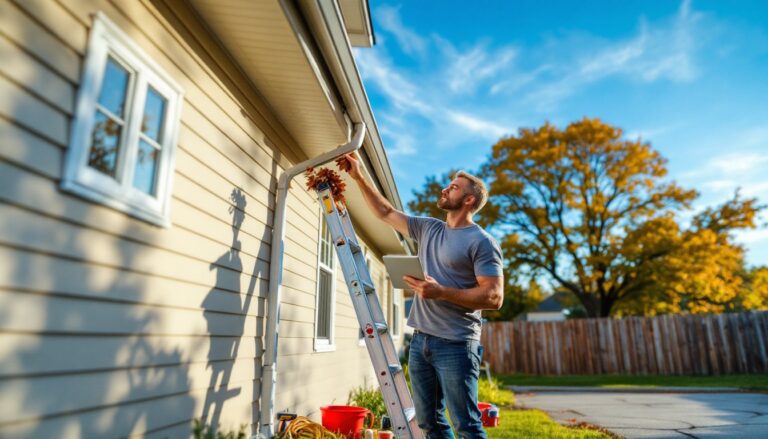
- Inspect shingles for curling, missing granules, or lifted edges (binoculars work if the homeowner isn’t comfortable on a ladder)
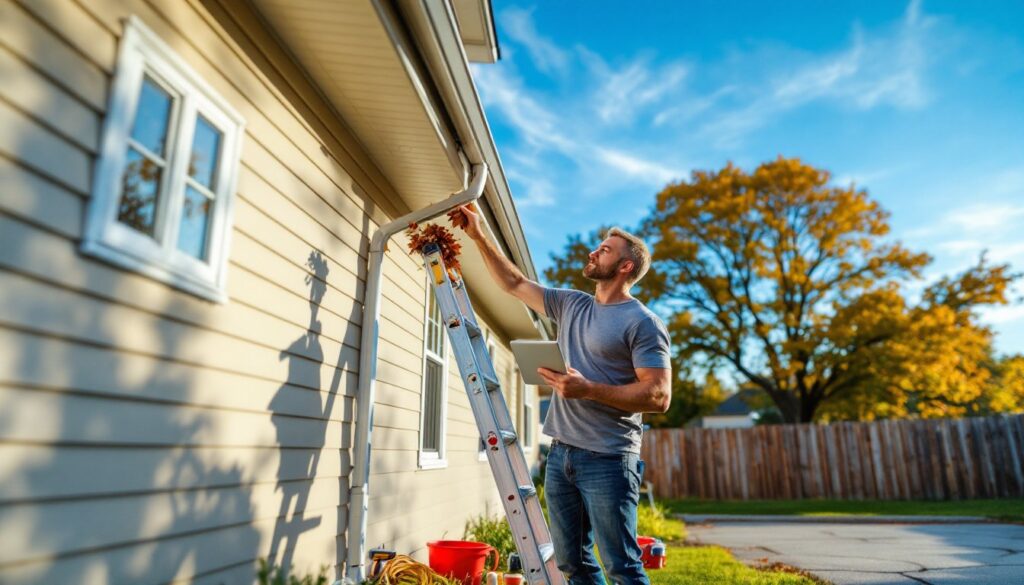
- Clean gutters and downspouts: install gutter guards if repeated clogging is an issue
- Extend downspouts 4-6 feet from foundation or add splash blocks
- Check flashing around chimneys, vents, and skylights for gaps or rust
Exterior:
- Walk the property and note cracks in foundation, driveway, or walkways wider than 1/4″ (these need sealing)
- Power wash siding, deck, and concrete (1500-2000 PSI for wood siding, 3000 PSI for concrete)
- Inspect exterior caulk around windows, doors, and penetrations: re-caulk where gaps appear
- Check deck boards for rot by pressing with a screwdriver (soft wood means replacement needed)
Cooling Prep:
- Schedule HVAC service for A/C system (technician checks refrigerant levels, electrical connections, and condensate drain)
- Clean or replace registers and return grilles
Summer shifts to outdoor living spaces and managing heat.
Irrigation and Drainage:
- Test sprinkler system zones: adjust heads that are spraying hardscape or creating runoff
- Check grading around foundation, soil should slope away at least 6″ over 10 feet
Windows and Doors:
- Inspect and lubricate window tracks: tighten loose screws in hinges
- Check weatherstripping for compression or tears: replace if daylight shows through closed doors
Many homeowners underestimate how much exterior prep impacts interior comfort and moisture control.
Seasonal Maintenance: Fall and Winter
Fall prepares systems for heating season and protects against freeze damage.
Heating System:
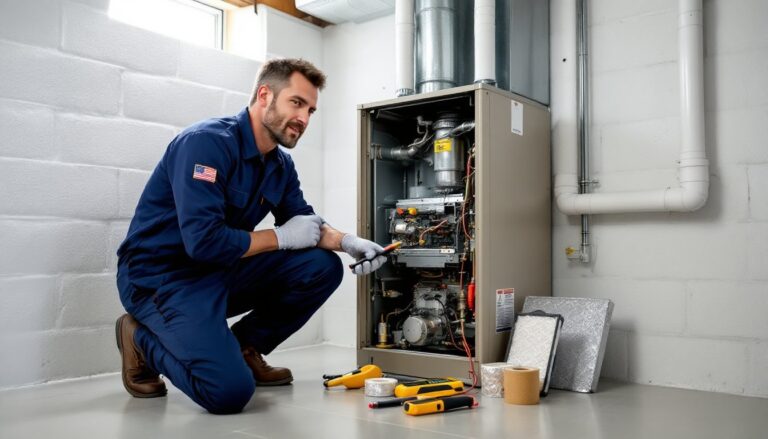
- Schedule furnace or boiler service (technician inspects heat exchanger, burner, and venting)
- Replace furnace filters before continuous heating begins
- Bleed radiators in hydronic systems if upper floors stay cold
- Test thermostat by cycling through heat/cool modes
Weatherization:
- Reverse ceiling fans to clockwise (pushes warm air down)
- Apply weatherstripping to drafty doors: install door sweeps if gaps exceed 1/4″
- Add or replace attic insulation if depth is less than R-38 (approximately 10-14″ depending on material)
- Insulate exposed pipes in crawlspaces, attics, and exterior walls with foam pipe sleeves
Exterior Prep:
- Shut off and drain exterior hose bibs: disconnect hoses
- Drain and winterize irrigation systems (compressed air blowout prevents cracked lines)
- Trim tree branches within 6-10 feet of roof or power lines
- Store or cover outdoor furniture, grills, and equipment
Winter focuses on monitoring systems under load and managing ice/snow.
Active Monitoring:
- Check attic during or after snowfall for unusual melting patterns (indicates heat loss or insufficient ventilation)
- Inspect for ice dams along eaves: improve attic insulation and ventilation if recurring
- Run faucets at a trickle during extreme cold if pipes froze previously
- Keep garage doors closed to protect water heaters and HVAC equipment from temperature swings
Safety:
- Test whole-house generator monthly if installed (follow manufacturer’s schedule)
- Keep emergency supplies accessible (flashlights, batteries, portable radio)
Annual Tasks That Protect Your Investment
Some tasks need professional attention or occur only once yearly. Schedule these based on equipment age and manufacturer recommendations.
Major Systems Inspection:
- Water heater flush: Drain 2-3 gallons from the tank to remove sediment (extends life and maintains efficiency)
- Chimney inspection: Hire a CSIA-certified sweep if burning wood regularly (creosote buildup causes fires)
- Septic system pumping: Every 3-5 years depending on household size and tank capacity
- Well water testing: Annual bacterial testing: periodic testing for nitrates, metals, and pH
Structural:
- Inspect basement or crawlspace for cracks, moisture, or pest entry points
- Check sump pump operation by pouring water into pit (pump should activate and discharge properly)
- Test backflow preventer if municipal water connection requires one
Appliances:
- Clean dryer vent duct from appliance to exterior termination (reduces fire risk, lint is highly flammable)
- Inspect dishwasher door gasket and spray arms for clogs
- Check refrigerator door seals by closing door on a dollar bill: if it pulls out easily, replace the gasket
Exterior:
- Inspect and clean chimney cap and spark arrestor
- Pressure-wash and reseal wood decks every 2-3 years (or when water no longer beads on surface)
- Re-caulk expansion joints in concrete to prevent water infiltration and freeze damage
For detailed guidance on building comprehensive maintenance tracking systems, consider how professionals document recurring work.
Creating Your Personalized Maintenance Calendar
A generic schedule won’t match every home’s needs. Tailor tasks based on climate, home age, and equipment.
Start with an inventory:
- List major systems with install dates, warranty periods, and expected service life
- Note equipment-specific maintenance from owner’s manuals (heat pump coil cleaning, water softener salt refills, etc.)
- Document previous problems (recurring gutter clogs, specific rooms with poor airflow)
Choose a tracking method:
- Digital calendars: Set recurring reminders with task details and links to tutorial videos
- Spreadsheet: Create tabs for monthly/seasonal/annual tasks with completion checkboxes
- Home maintenance apps: Many platforms integrate task lists, service records, and cost tracking
- Paper notebook: Simple and always accessible: dedicate one page per system
Adjust for regional factors:
- Coastal areas: Increase frequency of rust/corrosion checks on outdoor hardware
- High humidity: Monthly HVAC condensate drain checks to prevent overflow
- Heavy snow regions: Winter roof inspections after significant snow loads
- Drought-prone areas: Quarterly foundation watering to prevent soil shrinkage and cracking
Build in flexibility:
- Group tasks by tool requirements (ladder work, wet/dry vac needed, etc.)
- Schedule outdoor work during moderate weather when possible
- Consider hiring out tasks that require specialized equipment (duct cleaning, roof inspection)
Review and update the schedule annually. As systems age, they’ll need more frequent attention before replacement.
Conclusion
A house maintenance schedule isn’t exciting, but it’s the difference between predictable upkeep costs and surprise failures. Start with monthly basics, add seasonal tasks as capacity allows, and don’t skip the annual professional inspections. Document everything, future buyers will appreciate it, and so will a homeowner’s wallet when systems last years beyond their expected life.