Commercial flat roofs aren’t truly flat, they typically slope 1/4 inch per foot for drainage, but that minimal pitch puts them at higher risk than pitched residential roofs. Without regular maintenance, what starts as a $200 drain cleanout turns into a $15,000 membrane replacement. Property managers and building owners who carry out a consistent inspection routine extend roof life by 10–15 years on average, cutting lifecycle costs significantly. This guide walks through the exact inspection points, seasonal tasks, and red flags that keep commercial flat roofs watertight and code-compliant.
Table of Contents
ToggleKey Takeaways
- Flat roof maintenance is critical for commercial properties because small issues like a $200 drain cleanout can escalate into $15,000 membrane replacements if left unaddressed.
- Quarterly inspections during March, June, September, and December—documenting membrane condition, flashing integrity, and debris accumulation—extend roof life by 10–15 years on average.
- Ponding water standing longer than 48 hours is the leading cause of flat roof failure; regular drain clearing and checking for low spots prevents costly interior water damage.
- Seam failures and flashing separation are the most common leak points on commercial flat roofs and require a licensed contractor to repair properly and maintain warranty compliance.
- Property managers can handle debris removal, drain flushing, and minor sealant application, but seam repairs, large patches, and structural re-sloping must be performed by licensed professionals to avoid voiding coverage.
Why Regular Flat Roof Maintenance Is Critical for Commercial Properties
Commercial flat roofs bear the brunt of HVAC units, satellite dishes, exhaust vents, and foot traffic from service crews. The membrane, whether EPDM rubber, TPO, PVC, or built-up roofing (BUR), is exposed to UV degradation, thermal cycling, and ponding water. A small puncture or unsealed seam can let water migrate under the membrane, soaking insulation and causing interior damage that’s invisible until ceiling tiles start sagging.
Most commercial roofing warranties require documented annual inspections by a licensed contractor. Skip those records, and you void coverage. Beyond warranty compliance, proactive maintenance catches issues when repairs cost hundreds instead of thousands. Insurance claims for roof leaks average $10,000–$50,000 once interior finishes, equipment, or inventory are damaged.
Flat roofs also collect debris, leaves, gravel, plastic bags, that blocks drainage and accelerates membrane wear. A well-maintained roof should last 20–30 years for TPO or PVC, 15–25 years for EPDM, and 15–20 years for BUR. Neglect cuts those numbers in half. For building owners considering different roofing materials, techniques used in tile roofs show how underlayment replacement cycles affect long-term cost planning, though tile is less common on commercial flat applications.
Essential Quarterly Inspection Checklist for Commercial Flat Roofs
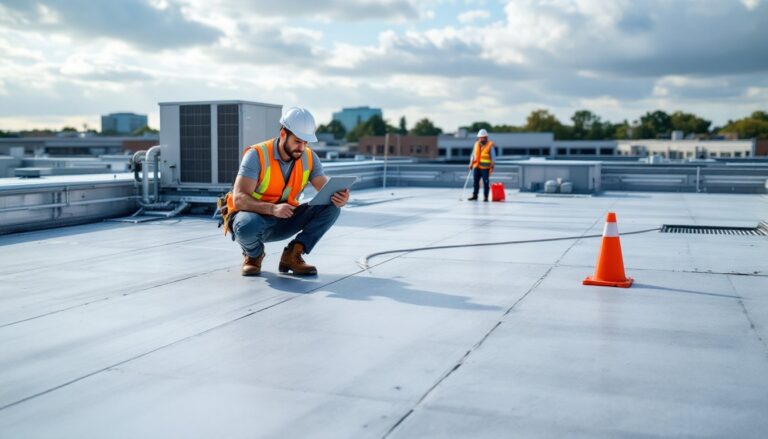
Set a calendar reminder for March, June, September, and December. Bring a notebook, camera, tape measure, and probe tool (a flathead screwdriver or awl works).
Membrane Surface:
• Walk the entire roof. Look for blisters, cracks, punctures, or wrinkles in the membrane.
• Check seams and flashing for separation or lifted edges. Seams are the most common leak point.
• Note any soft spots underfoot, these indicate wet insulation below.
Penetrations and Flashing:
• Inspect curbs around HVAC units, vents, and skylights. Sealant should be intact with no gaps.
• Check pipe boot flashings for cracking or separation. Rubber boots degrade faster than the main membrane.
• Examine parapet wall flashing and copings. Metal flashing should be secure: membrane flashing should be fully adhered.
Fasteners and Plates:
• On mechanically fastened roofs (common with TPO), look for loose or backed-out fasteners.
• Plates should sit flat against the membrane with no tenting or tears.
Surface Debris:
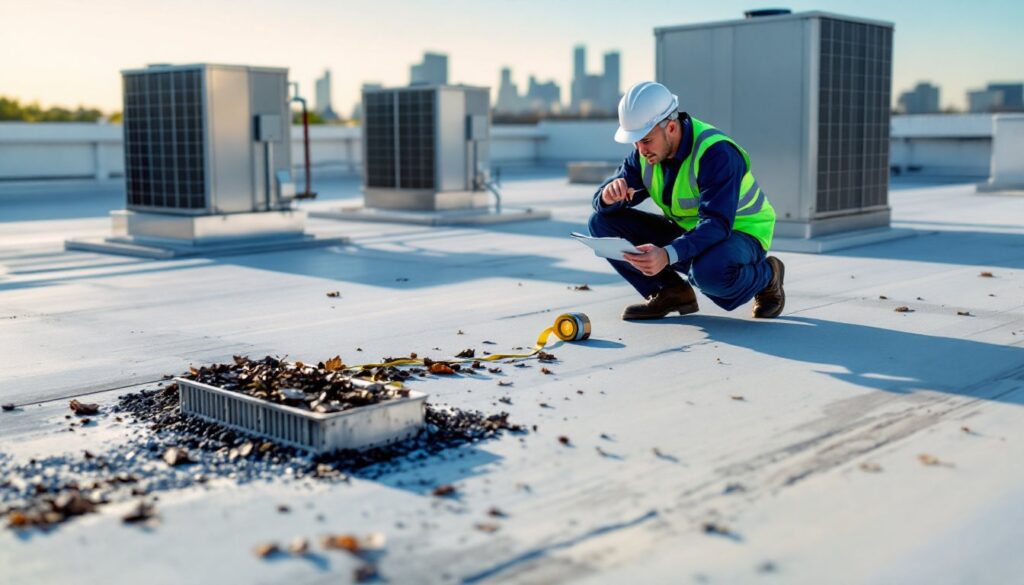
• Note any accumulation of leaves, branches, gravel (from cap sheets), or trash.
• Check for signs of animal activity, nesting birds or rodents can damage membranes.
Document everything with photos tagged by location (north edge, southwest quadrant, HVAC unit #3). This creates a repair history and helps contractors bid accurately.
Common Flat Roof Problems and How to Spot Them Early
Membrane Blistering:
Blisters form when moisture or air gets trapped under the membrane, often during installation or from wet insulation. Press on a blister, if it’s spongy, there’s moisture. Small blisters under 6 inches can often be cut, dried, and patched. Larger or widespread blistering may indicate failed insulation that needs removal.
Seam Failures:
Heat-welded seams on TPO or PVC can separate if the weld wasn’t hot enough during install. Tape-seamed EPDM can peel if the adhesive wasn’t primed properly. Run a flathead screwdriver gently along seams, if it lifts the edge, the seam needs re-welding or re-taping.
Flashing Separation:
Termination bars (metal strips that secure membrane at parapets or curbs) loosen over time. If you see daylight under the bar or the membrane pulls away easily, water is getting behind it. This is a priority repair, flashing leaks cause the most interior damage.
Cracking and Shrinkage:
EPDM can shrink over time, pulling away from edges. BUR and modified bitumen crack from thermal stress. Hairline cracks are cosmetic, but anything you can fit a dime into needs sealant or patching.
Drainage Systems and Ponding Water Prevention
Ponding water, standing water that remains more than 48 hours after rain, is the top killer of flat roofs. The International Building Code (IBC) requires positive drainage, but settlement, improper slope, or sagging insulation can create low spots.
Inspect roof drains and scuppers quarterly. Pull the drain strainer and check for debris, leaves, gravel, and roofing granules clog drains fast. Flush drains with a hose to ensure they flow freely. If water backs up, there’s a blockage in the downspout or underground drainage that needs clearing.
Check overflow drains (required by code as secondary drainage). These should sit 2 inches above the primary drain. If you’re relying on overflow drains regularly, the primary system is undersized or blocked.
Look for ponding areas after heavy rain. Mark them with chalk or flags. Minor ponding (under 1 inch deep, small area) can be addressed by adding tapered insulation to improve slope. Larger ponds or widespread low areas may require re-sloping the deck, which is structural work requiring an engineer and permits. Property managers dealing with drainage issues can apply methods found in construction techniques used for ensuring proper water flow in building envelopes.
Seasonal Maintenance Tasks to Protect Your Commercial Flat Roof
Spring (March–May):
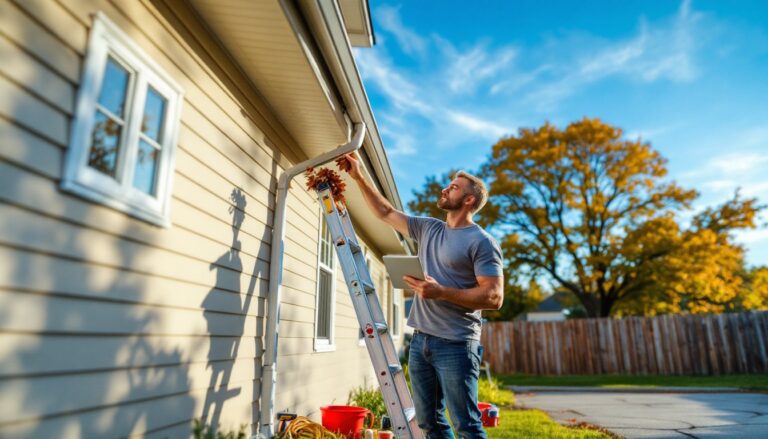
Clear debris left by winter storms. Inspect for ice damage, freeze-thaw cycles can crack sealants and open seams. Check that roof drains are clear before spring rains hit. Trim back tree branches overhanging the roof: they drop leaves and can puncture the membrane in high winds.
Summer (June–August):
Inspect during the hottest part of the day when thermal stress is highest. Look for blistering or bubbling. Check HVAC unit vibration, loose units can wear through the membrane or curb flashing. Clean or replace HVAC filters on rooftop units to reduce load and extend equipment life (not a roofing task, but done while you’re up there).
Fall (September–November):
This is the most critical season. Remove all leaves and debris before they decompose and clog drains. Inspect seams and flashings before winter weather arrives, small repairs done now prevent leaks during freeze-thaw cycles. Check that roof hatches and access doors close and latch properly.
Winter (December–February):
After heavy snow, check for snow load issues, most commercial roofs are designed for 20–40 pounds per square foot (psf) of snow, but drifting can exceed that. Remove snow over 12 inches deep or if you see sagging. Hire a professional for snow removal: shovels can puncture membranes. Clear drains of ice dams.
After each storm, walk the roof once it’s safe. Look for new damage from wind-blown debris or ice.
When to Call a Professional vs. DIY Maintenance Tasks
Property managers and maintenance staff can handle:
• Clearing debris from the roof surface and drains
• Flushing drains with a hose to check flow
• Visual inspections and photo documentation
• Applying roof sealant (like Geocel or Tremco) to small cracks or around penetrations (under 6 inches long)
• Tightening loose termination bars or pipe clamps
• Removing light snow with a plastic shovel or roof rake
Wear slip-resistant boots, safety harness if near unprotected edges, and gloves. Never work alone.
Call a licensed roofing contractor for:
• Seam repairs, these require specialized heat-welding equipment for TPO/PVC or proper priming and taping for EPDM.
• Any membrane patching larger than 1 square foot. Patches must be sized correctly (6-inch overlap minimum) and properly adhered.
• Flashing replacements or re-terminations. Improper flashing is a top warranty void.
• Drain or scupper repairs that involve cutting or modifying the membrane.
• Ponding water issues requiring tapered insulation or structural re-sloping.
• Any work involving core cuts to inspect insulation or decking. This requires patching and sealing knowledge.
• Heavy snow removal, pros use shovels with plastic or rubber edges and know safe snow load limits.
Most commercial roofing work requires a licensed contractor and may need permits, especially if you’re replacing sections over 100 square feet (varies by jurisdiction). Many roofing systems have labor warranties that are voided if unlicensed work is done.
For general building maintenance training, resources like Popular Mechanics cover hands-on techniques and tool use that translate well to facility management tasks. Don’t attempt repairs beyond your skill level, commercial roof leaks cause expensive interior damage fast.
Conclusion
A commercial flat roof is a major building asset that pays back every hour invested in maintenance. Quarterly inspections, seasonal cleanouts, and early repairs turn a 15-year roof into a 25-year roof. Document every inspection, keep a repair log, and budget 1–2% of the roof replacement cost annually for maintenance. That’s $400–$800 per year on a $40,000 roof, cheap insurance against five-figure leak repairs.