
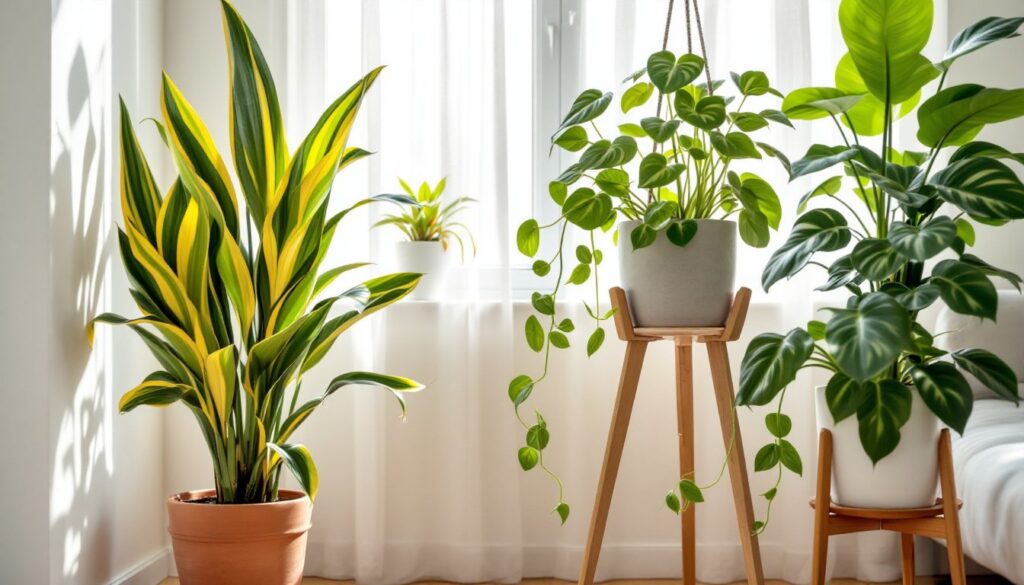
Not everyone has a green thumb, and that’s perfectly fine. Low maintenance indoor plants offer all the benefits of bringing nature indoors, improved air quality, a touch of life in dead corners, and a bit of greenery to soften hard surfaces, without demanding daily attention or a degree in horticulture. These plants tolerate irregular watering, low light, and the occasional bout of neglect that comes with busy schedules. Whether someone’s new to plant parenthood or just tired of replacing dead ferns, choosing the right species makes all the difference between a thriving indoor garden and a graveyard of brown leaves.
Table of Contents
ToggleKey Takeaways
- Low maintenance indoor plants thrive in imperfect conditions and tolerate irregular watering, low light, and neglect, making them ideal for busy schedules and beginners.
- Snake plants, pothos, ZZ plants, and spider plants are the most forgiving species, surviving on water every 2-4 weeks and adapting to dim corners without complaint.
- Overwatering is the number one killer of low maintenance plants; always check soil dryness before watering and ensure pots have drainage holes to prevent root rot.
- Proper drainage, well-draining potting mix, and indirect light are the three essentials that allow low maintenance indoor plants to thrive for years with minimal intervention.
- Pet owners should choose non-toxic varieties like spider plants, as many popular low maintenance options (snake plants, pothos, ZZ plants) are toxic if ingested by cats and dogs.
Why Choose Low Maintenance Indoor Plants for Your Home
Low maintenance plants are engineered by nature to survive tough conditions. Most originate from arid climates, forest floors with limited light, or environments where water arrives in unpredictable bursts. That evolutionary history translates into houseplants that don’t panic when watering schedules slip or when they’re stuck in a corner far from a window.
These plants reduce the learning curve dramatically. Beginners can build confidence without the pressure of daily misting schedules or fertilizer routines. Experienced plant owners benefit too, low maintenance varieties free up time and mental energy for more demanding species or other projects around the house.
From a practical standpoint, hardy plants also mean fewer replacements and less money spent. A snake plant can live for decades with minimal intervention, while a finicky fiddle leaf fig might drop half its leaves after one missed watering. For renters, frequent movers, or anyone dealing with unpredictable schedules, low maintenance plants adapt without complaint.
They’re also forgiving of less-than-ideal conditions. North-facing windows, basement offices, bathrooms with no natural light, these spaces can still support greenery if the right plant is chosen. That flexibility makes it possible to add life to nearly any room without installing grow lights or rearranging furniture.
Best Low Maintenance Indoor Plants for Beginners
Snake Plants and Pothos: The Indestructible Duo
Snake plants (Sansevieria trifasciata) top nearly every low maintenance list for good reason. They tolerate low light, require watering only every 2-3 weeks (or longer in winter), and handle a range of temperatures without protest. Their upright, sword-like leaves grow slowly, so they won’t outgrow their pot quickly. Snake plants also filter toxins like formaldehyde and benzene from indoor air, a bonus backed by NASA’s Clean Air Study.
Water only when the soil is completely dry. Overwatering is the main killer, root rot sets in fast if the potting mix stays soggy. A terracotta pot helps wick away excess moisture. These plants tolerate everything from bright indirect light to dim corners, though growth slows in lower light.
Pothos (Epipremnum aureum) is equally bulletproof. Its trailing vines work well in hanging baskets or climbing a moss pole. Pothos adapts to low light, though variegated varieties (those with white or yellow streaks) need a bit more brightness to maintain their patterns. Water when the top inch or two of soil feels dry, pothos will droop dramatically when thirsty, then perk right back up after a drink.
Pothos grows fast, sometimes adding several inches per month in good conditions. Trim leggy vines to encourage bushier growth, and propagate cuttings in water to start new plants. Both snake plants and pothos are toxic to pets if ingested, so place them out of reach of curious cats and dogs.
ZZ Plants and Spider Plants: Thriving on Neglect
ZZ plants (Zamioculcas zamiifolia) have glossy, waxy leaves that look almost artificial. They store water in thick rhizomes underground, making them drought-tolerant to an extreme degree. Water every 2-4 weeks, or even less in low light or cooler months. ZZ plants grow slowly and stay compact, rarely needing repotting. They handle low to bright indirect light without fuss.
All parts of the ZZ plant are toxic if consumed, so the same pet precautions apply. Wipe the leaves occasionally with a damp cloth to remove dust and keep them photosynthesizing efficiently.
Spider plants (Chlorophytum comosum) are nearly indestructible and produce arching, striped leaves with white or cream margins. They send out long stems with baby plantlets (spiderettes) that dangle like ornaments, which can be snipped off and potted to grow new plants. Spider plants prefer moderate light but tolerate lower levels. Water when the top inch of soil dries out, they’re forgiving if watering gets inconsistent.
Spider plants are non-toxic to pets, making them a safer choice for homes with animals. They do well in hanging baskets where their cascading stems can show off. Brown leaf tips can develop from fluoride or chlorine in tap water: switching to filtered or distilled water usually solves the problem. Many plant care guides emphasize these species for first-time indoor gardeners because they tolerate beginner mistakes without dying.
Essential Care Tips for Thriving Indoor Plants
Even low maintenance plants need some basic care to stay healthy. Start with the container: drainage holes are non-negotiable. Without them, water pools at the bottom, suffocating roots and inviting rot. If a decorative pot lacks drainage, use it as a cachepot, set the plant in a plastic nursery pot inside the decorative one, and remove it to water.
Potting mix matters more than most beginners realize. Standard potting soil works for many species, but adding perlite or coarse sand improves drainage and prevents compaction. Succulents and cacti need a specialized mix with even more grit. Avoid garden soil, it’s too dense and can harbor pests or diseases.
Watering routines should be driven by the plant’s needs, not a calendar. Stick a finger into the soil up to the second knuckle. If it feels dry, water thoroughly until it drains from the bottom. If it’s still moist, wait. Seasonal changes affect watering frequency, plants need less water in winter when growth slows and indoor heating drops humidity.
Light requirements vary, but “low light” doesn’t mean no light. Most low maintenance plants tolerate dim conditions, but they’ll grow faster and look better with at least some indirect natural light. Rotate plants every few weeks so all sides receive equal exposure and growth stays even.
Fertilizer isn’t usually urgent for hardy species, but a diluted, balanced liquid fertilizer (like 10-10-10 or 20-20-20) applied once a month during the growing season (spring and summer) can boost growth. Skip fertilizing in fall and winter when most plants enter dormancy.
Humidity isn’t a dealbreaker for most low maintenance plants, but very dry indoor air (common in winter with forced-air heating) can cause brown leaf tips. Grouping plants together, placing them on a tray of wet pebbles, or running a humidifier in the room can help. Some homeowners explore home decor ideas that incorporate plants in naturally humid rooms like kitchens and bathrooms.
Dust blocks light absorption. Wipe large leaves with a damp cloth every few weeks. Smaller-leaved plants can be rinsed gently in the shower (lukewarm water, low pressure) to wash off dust and dislodge pests.
Common Mistakes to Avoid with Low Maintenance Plants
Overwatering is the number one killer. People assume more water equals better care, but most low maintenance plants evolved to handle drought, not soggy soil. If leaves turn yellow and feel mushy, or if the soil smells sour, root rot is likely. Let the soil dry out between waterings, and always check before adding more water.
Repotting too soon causes unnecessary stress. Most slow-growing species like snake plants and ZZ plants only need repotting every 2-3 years. Signs it’s time include roots growing out of drainage holes, water running straight through without absorbing, or the plant becoming top-heavy and tipping over. When repotting, go up only one pot size (1-2 inches larger in diameter).
Ignoring light needs entirely is another pitfall. While hardy plants tolerate low light, placing them in a windowless basement or a closet won’t work. If a room feels dim to human eyes, it’s usually too dark for healthy plant growth. Supplement with a basic LED grow bulb if natural light is truly lacking.
Overfeeding can burn roots or cause leggy, weak growth. Low maintenance plants have modest nutrient needs. If using fertilizer, dilute it to half the recommended strength and apply less frequently than the label suggests.
Neglecting pest checks is easy with tough plants, but mealybugs, spider mites, and scale can still show up. Inspect leaves (especially undersides) and stems every few weeks. Early infestations can be wiped away with rubbing alcohol on a cotton swab. Severe cases may need insecticidal soap or neem oil.
Using the wrong pot size or material creates issues. An oversized pot holds too much soil and moisture, increasing rot risk. Heavy ceramic pots look great but can be hard to move, and without drainage holes, they’re a disaster. Terracotta breathes and wicks moisture, making it ideal for plants prone to overwatering. Plastic is lightweight and retains moisture longer, which suits thirsty species or dry environments.
Finally, skipping acclimation when bringing a new plant home can shock it. Gradual transitions help. If a plant came from a bright greenhouse, move it slowly to its permanent, dimmer spot over a week or two. For those interested in expanding their indoor greenery further, garden design ideas can offer inspiration for integrating plants into living spaces.
Conclusion
Low maintenance indoor plants prove that greenery doesn’t have to come with a steep learning curve or rigid routines. Species like snake plants, pothos, ZZ plants, and spider plants forgive missed waterings, tolerate less-than-perfect light, and keep growing with minimal fuss. The key is matching the plant to the space and resisting the urge to over-care. With proper drainage, appropriate watering, and occasional dusting, these plants will thrive for years, adding life and color to any room without demanding constant attention.